

 Facebook
 LinkedIn
 Chinese
 Email
Email
 LinkedIn

Polypropylene
- Home
- Products
- Product Types
- Polypropylene
PP Materials
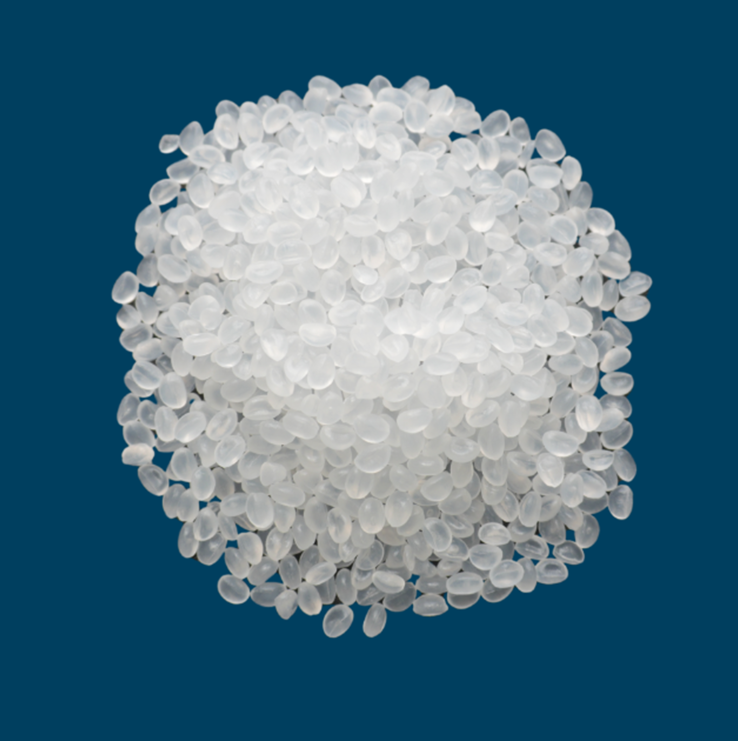
Three Core PP Grades: Homopolymer, Random Copolymer, Impact Copolymer
Homopolymer
This base grade consists solely of propylene monomers. It features exceptional rigidity, high tensile strength, strong heat resistance and low creep performance, yet its low-temperature impact performance is limited.
Suitable applications: Rigid industrial components, injection-molded crates, household hard goods, woven bags, pipes, and high-temperature resistant non-food containers.
Random Copolymer
Ethylene is randomly blended into the propylene molecular chain. It balances clarity, flexibility and low-temperature toughness, alongside good heat resistance and low odor.
Suitable applications: Transparent food packaging, microwaveable containers, plastic bottles, thin-wall injection molded food vessels, medical transparent parts and flexible packaging films.
Impact Copolymer
It adopts a two-stage polymerization process to add ethylene-propylene rubber segments, greatly boosting low-temperature impact resistance without sacrificing core stiffness.
Suitable applications: Automotive bumpers and interior panels, heavy-duty storage boxes, luggage, industrial pallets, cold-resistant household goods, battery casings and outdoor structural components.
PP covers a huge spectrum of end uses. For packaging, it makes food storage boxes, bottles, closures and flexible film. In automotive manufacturing, its light weight and durability support fuel efficiency, so it is widely used for bumpers, dashboards, door trims and battery housings. Additional mainstream applications include textile fibers (carpets, apparel, nonwovens), medical supplies (syringes, surgical accessories), daily necessities (furniture, toys, kitchen utensils) and construction supplies (tubes, pipe fittings, thermal insulation). Most importantly, PP is fully recyclable, matching the global push for eco-friendly, sustainable material solutions.